The Plan
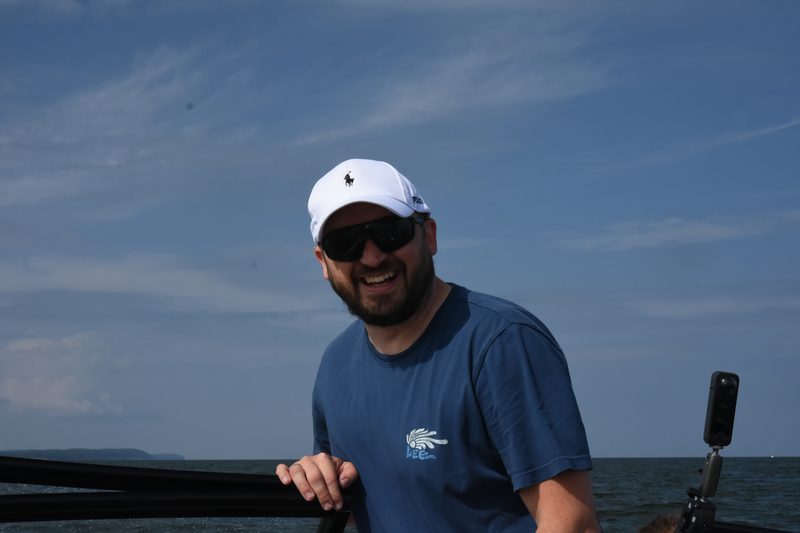
We had been out on the Baltic the day before for a quick thirty-minute run — enough to see how M19 handles real sea conditions. But we wanted more. This time, we planned a full day: start with a brief return to the Baltic to properly shake down the boat, then turn back inland and push as far east as we could across the Szczecin Lagoon.
The route: out to the Baltic, back through the mouth, east along Kamień Lagoon, through the Wolin strait, across the full width of the Szczecin Lagoon, all the way to the concrete wreck at Dąbie — and back the same way. A real voyage.
First — The Baltic Test
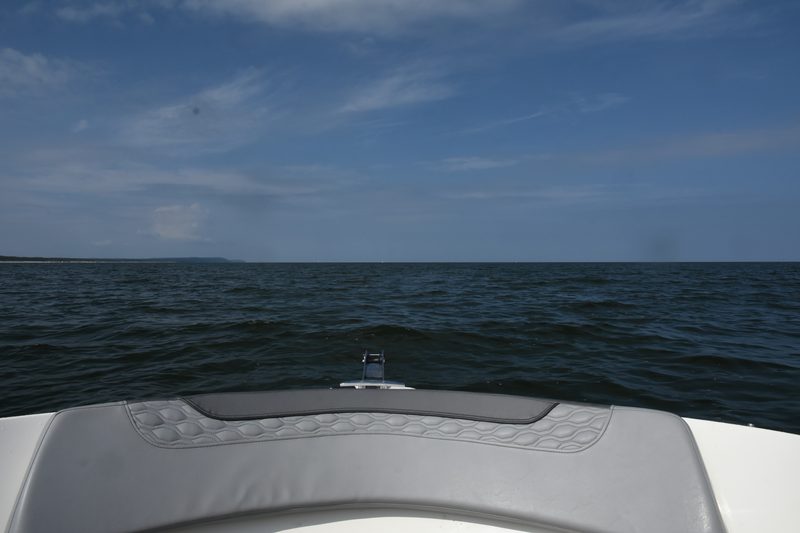
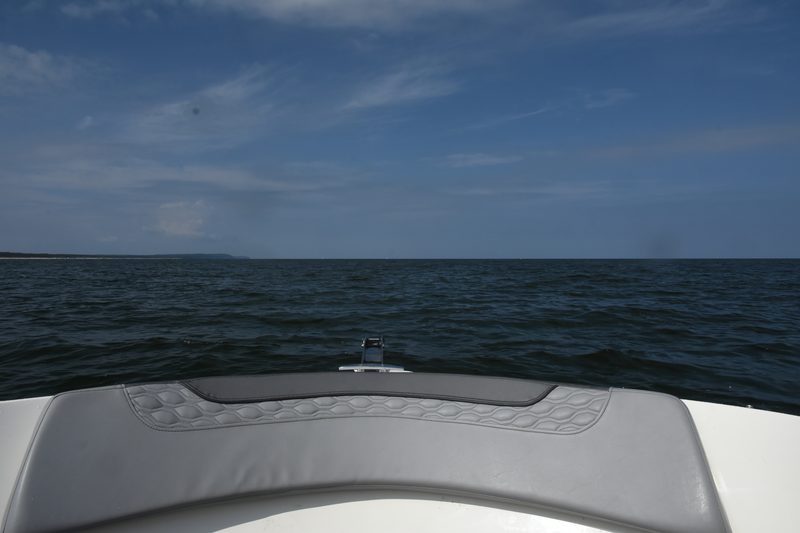
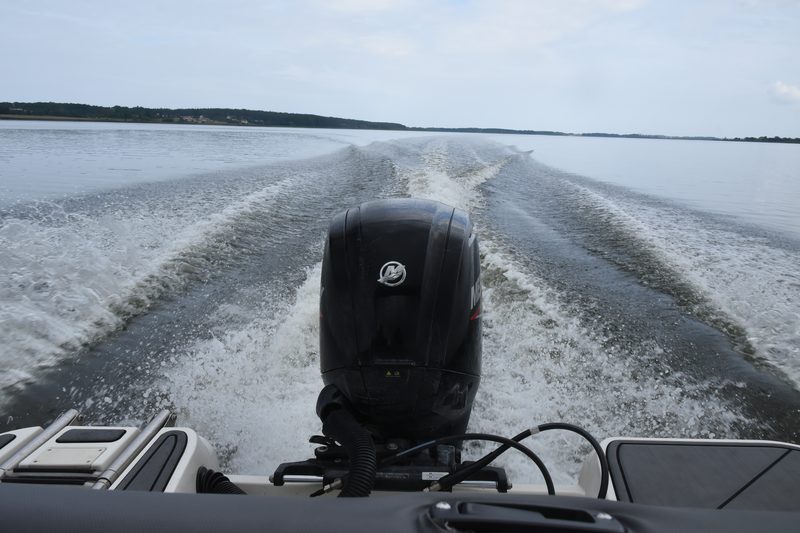
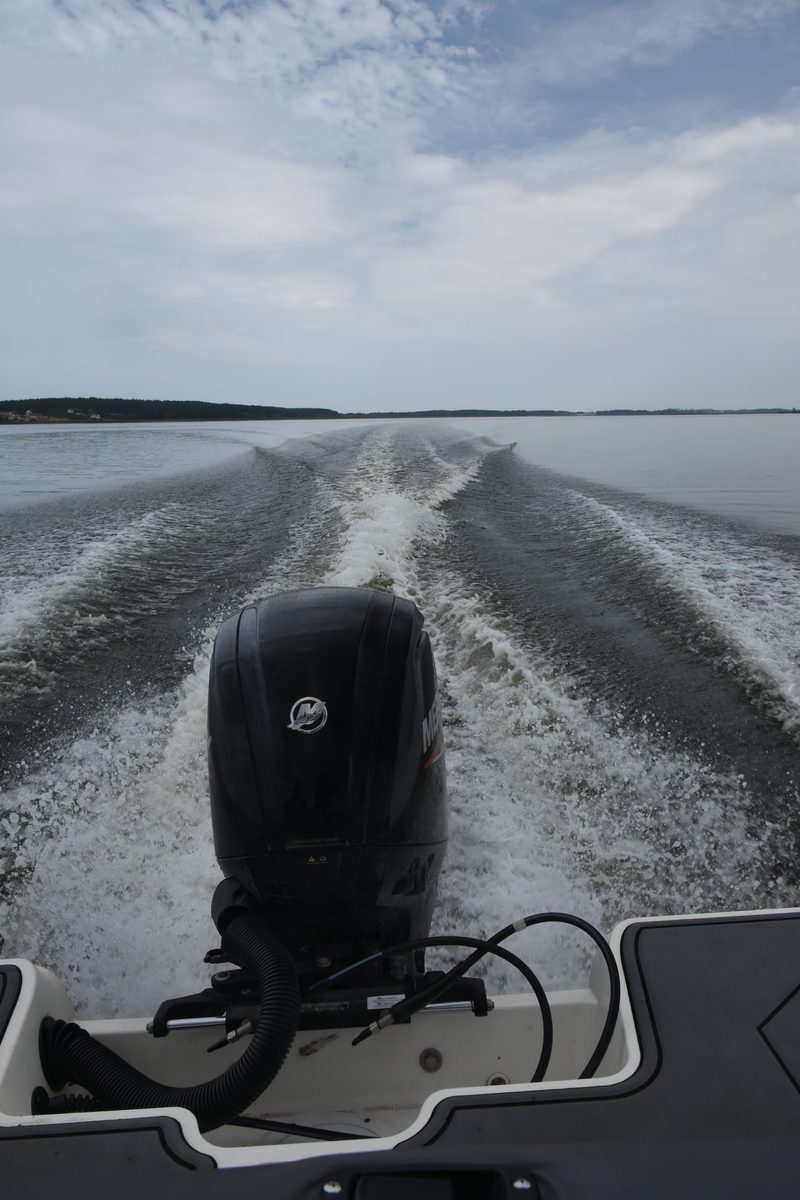
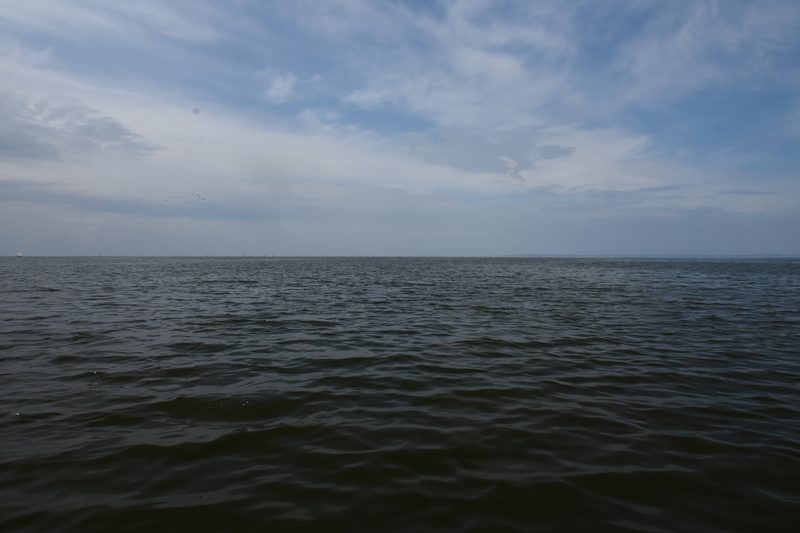
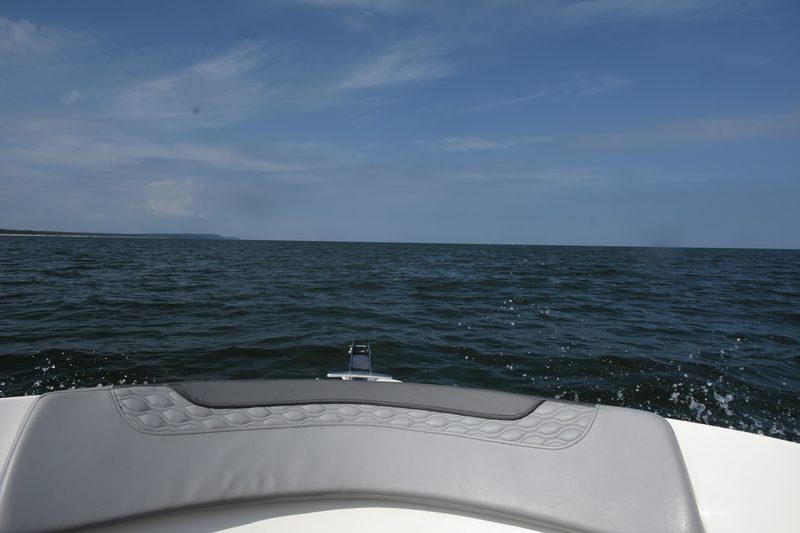
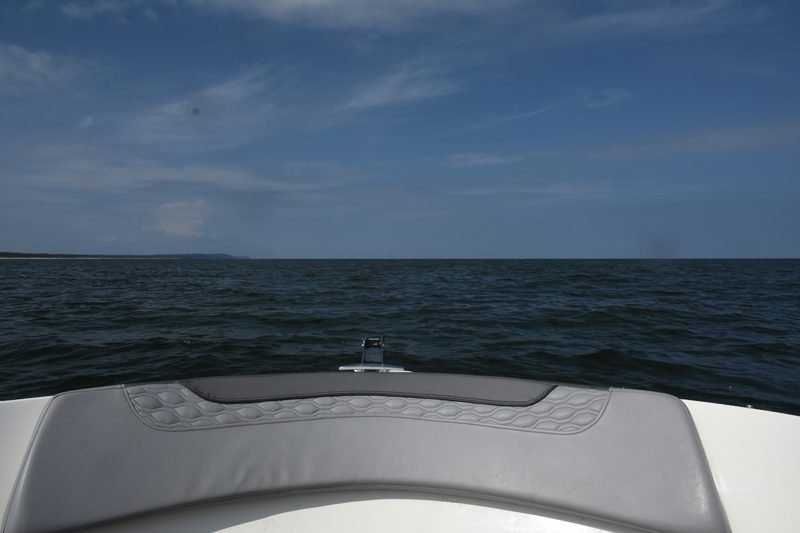
We cleared the harbour at Dziwnów early and headed for the Baltic. It was fairly warm with a westerly breeze — inviting conditions. M19 handled the low swells well, moving with purpose under a steady wind. There were a few splashes, especially at higher throttle and when heading into the waves. For a small boat, she handles herself brilliantly at sea.
We spent about forty minutes on the Baltic. Long enough to feel the ocean beneath the hull and gain confidence that the boat could take it. Then we turned around and came back through the channel to begin the actual journey south.
Through Wolin
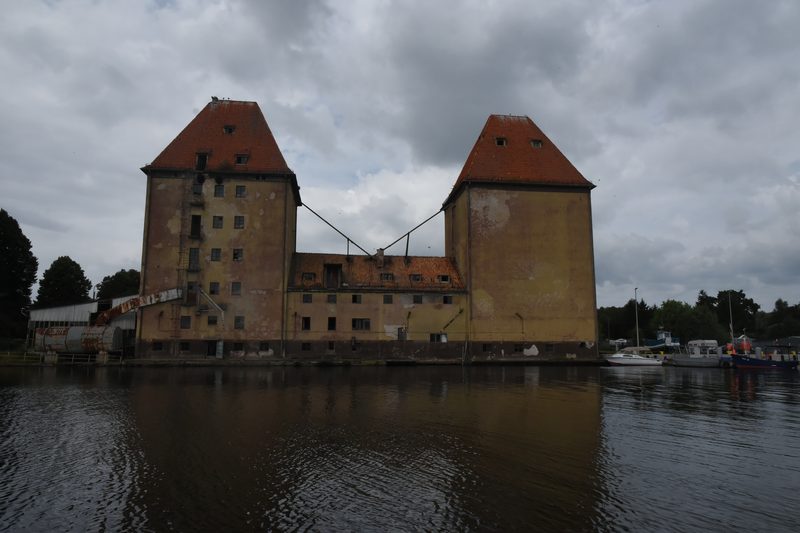
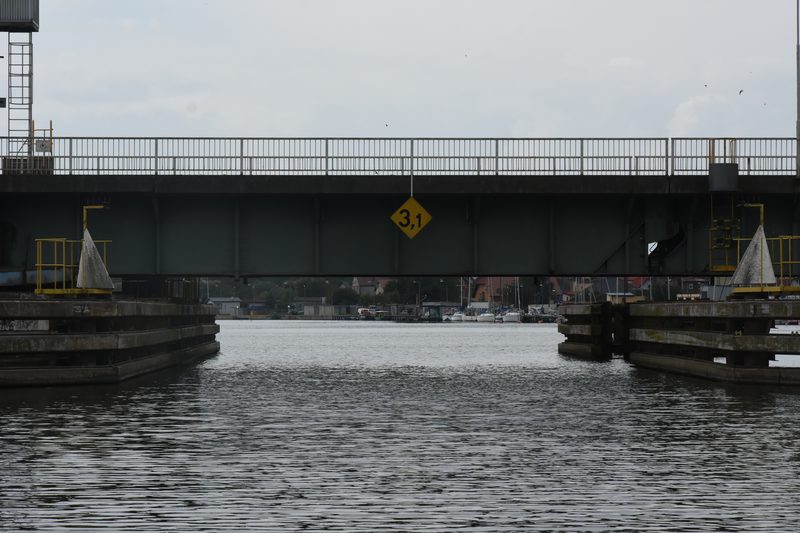
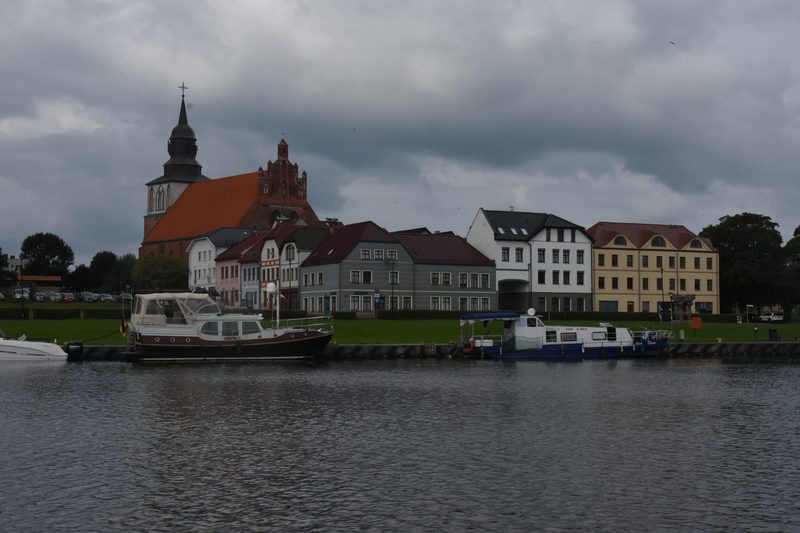
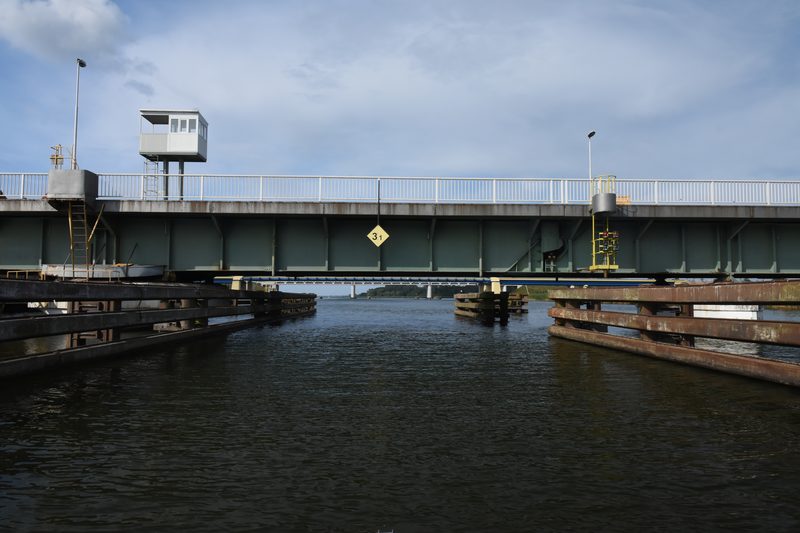
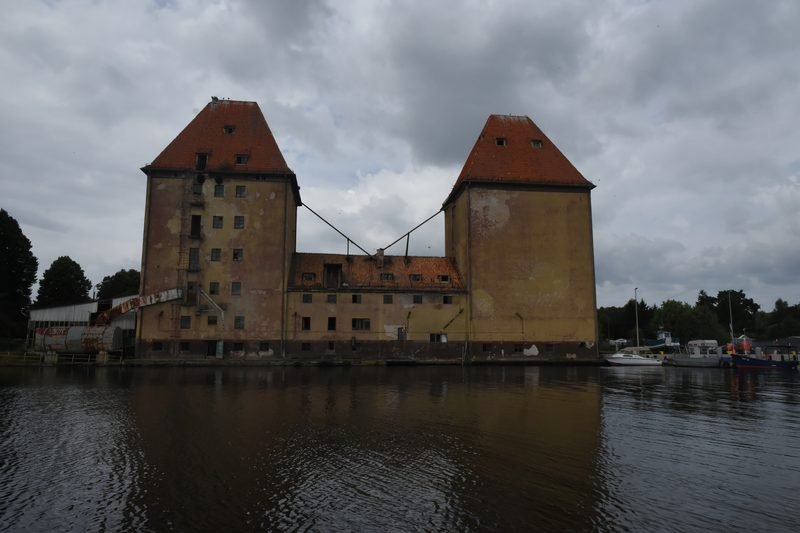
The passage through Wolin is one of the more beautiful stretches in the region. We sailed through the town itself — past bridges, waterfronts, harbours. One waterfront in particular stands out: there is a quay where you can moor up and go for a stroll through town. Maybe next time — this time we wanted to push as far east as possible, so we carried on.
Into the Lagoons
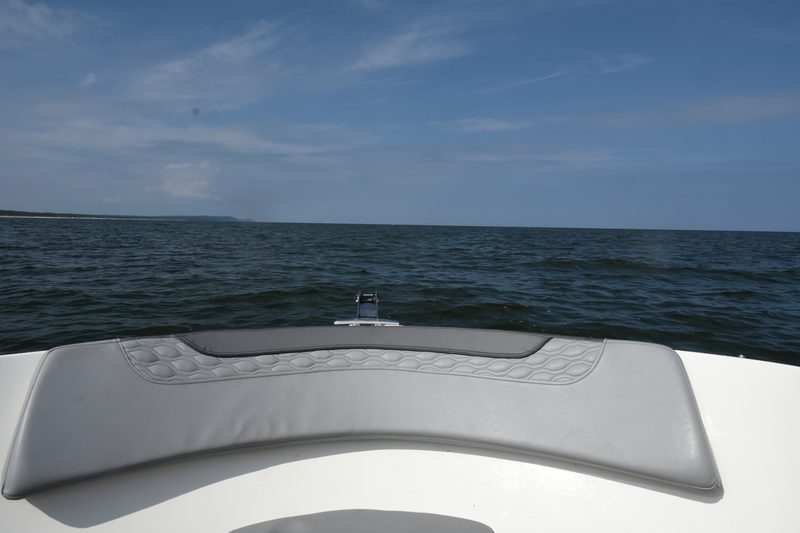
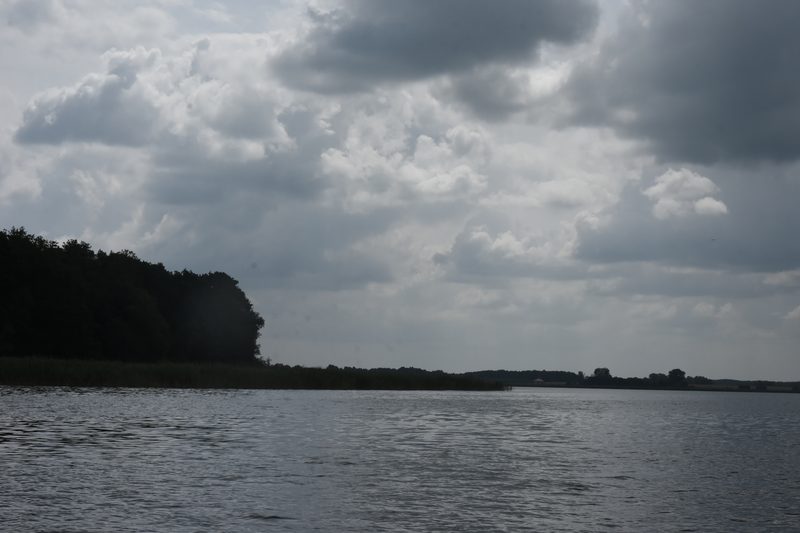
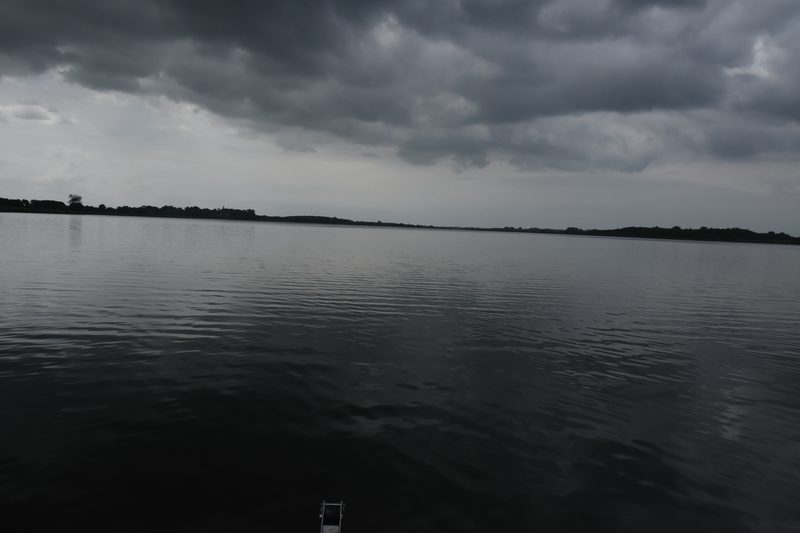
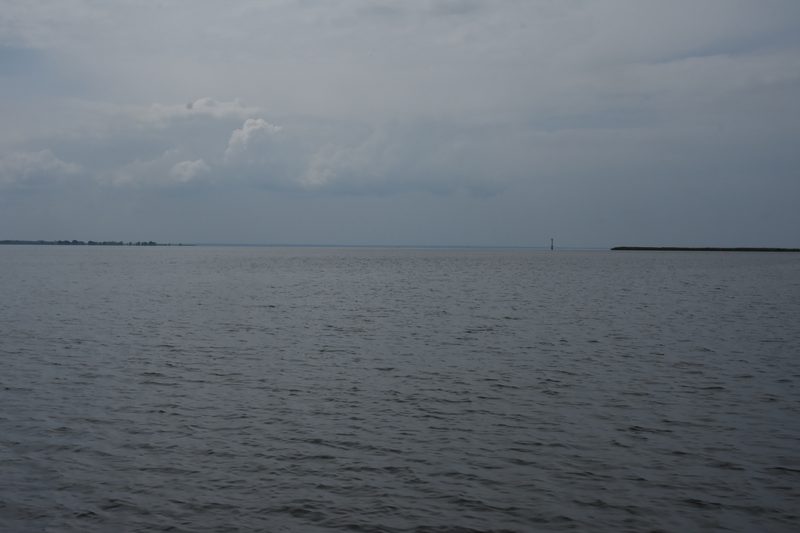
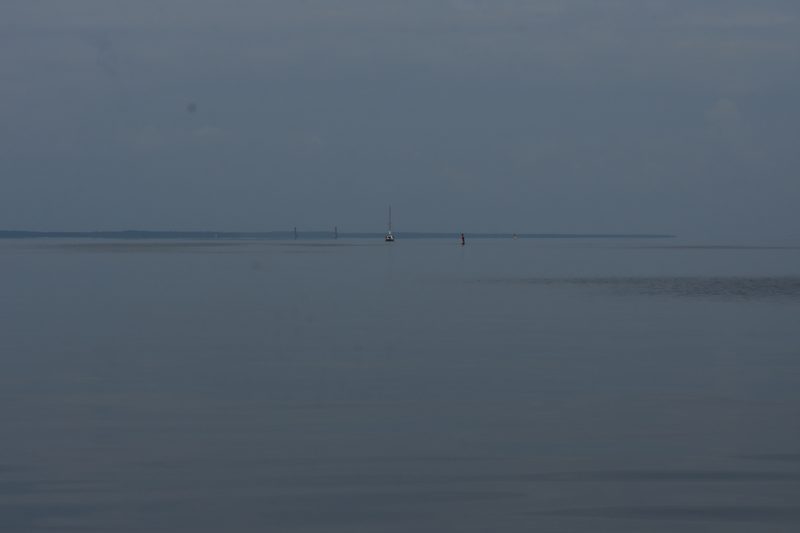
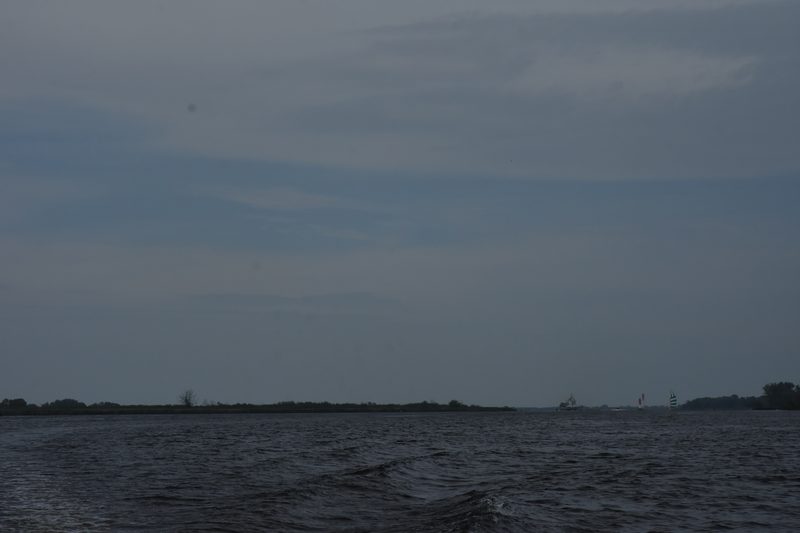
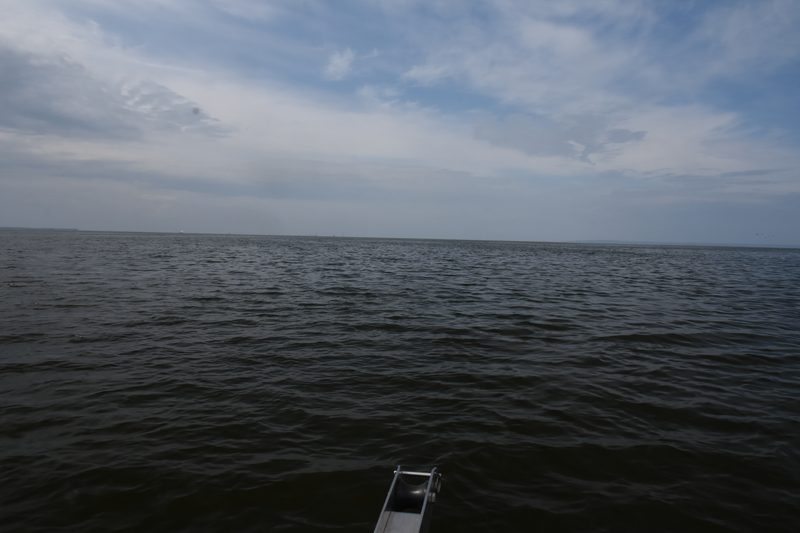
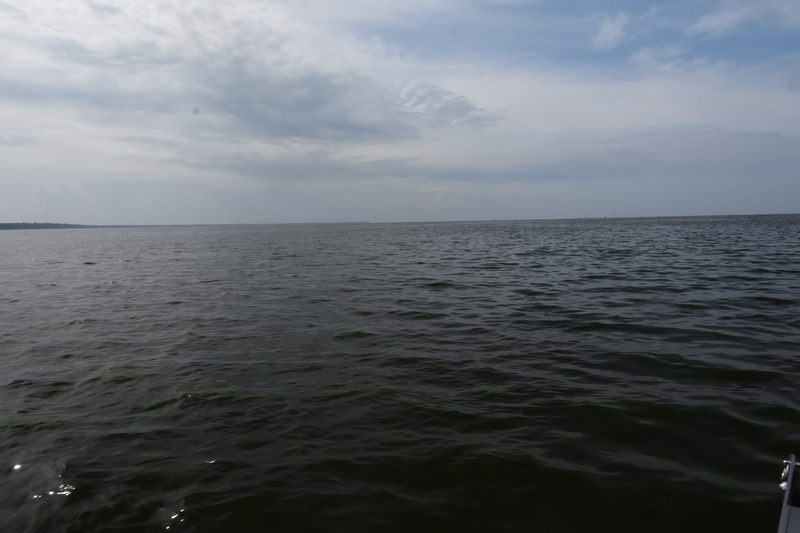
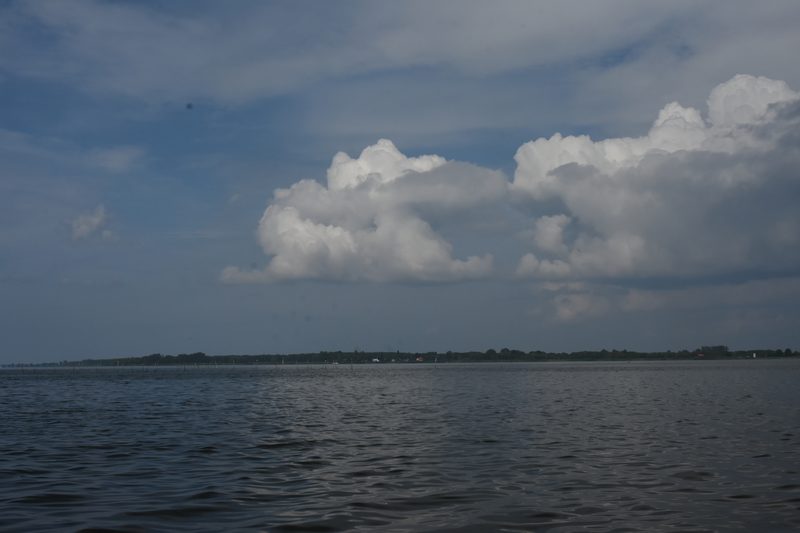
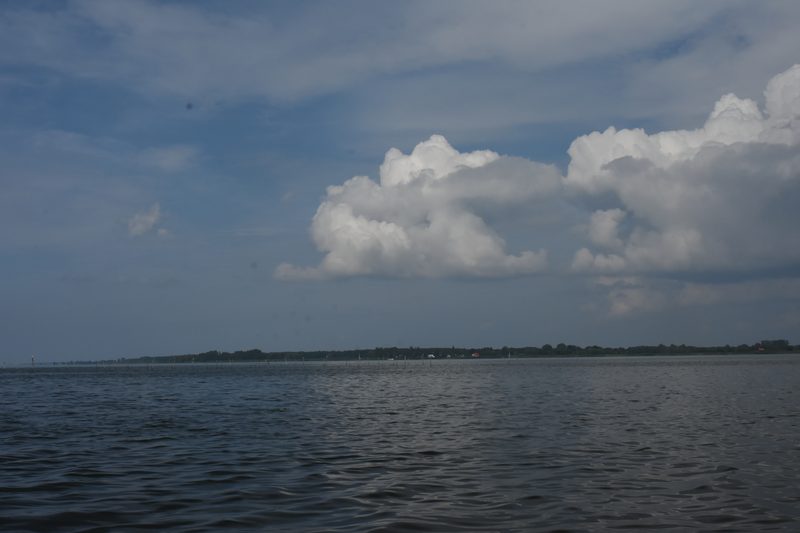
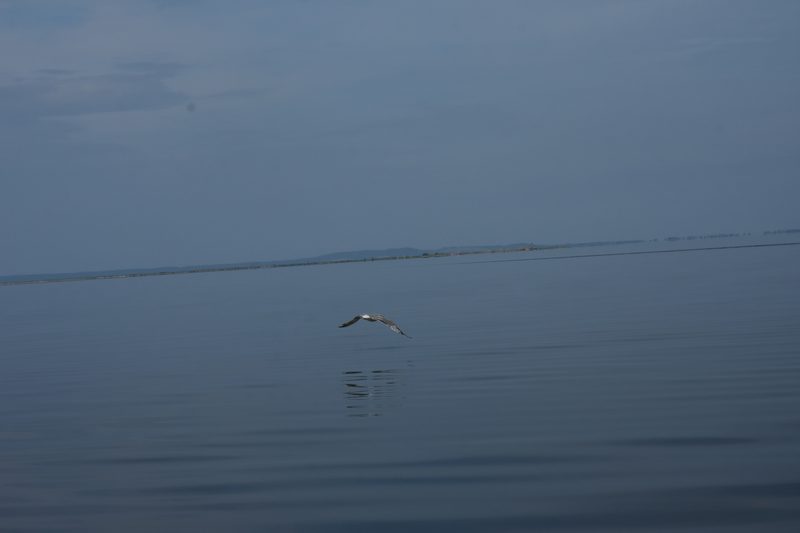
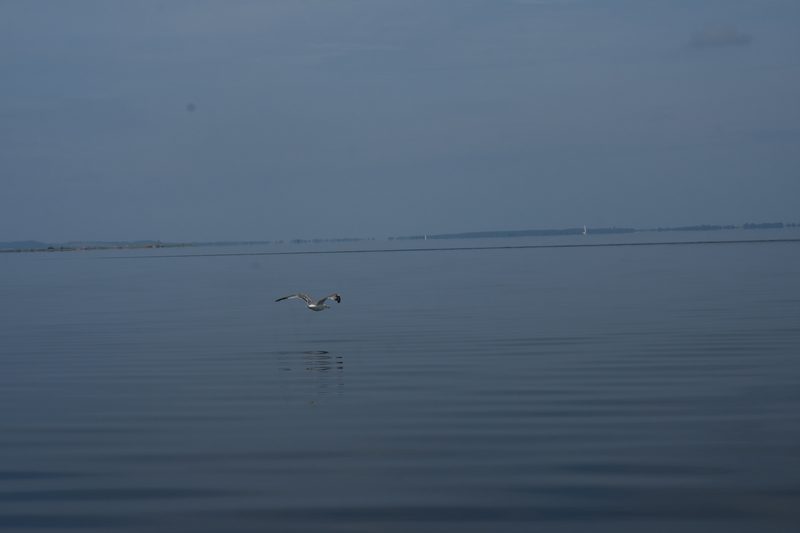
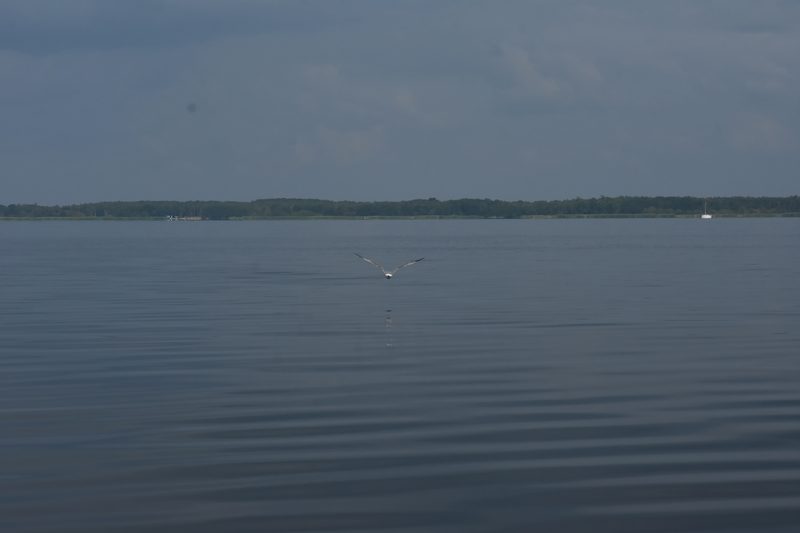
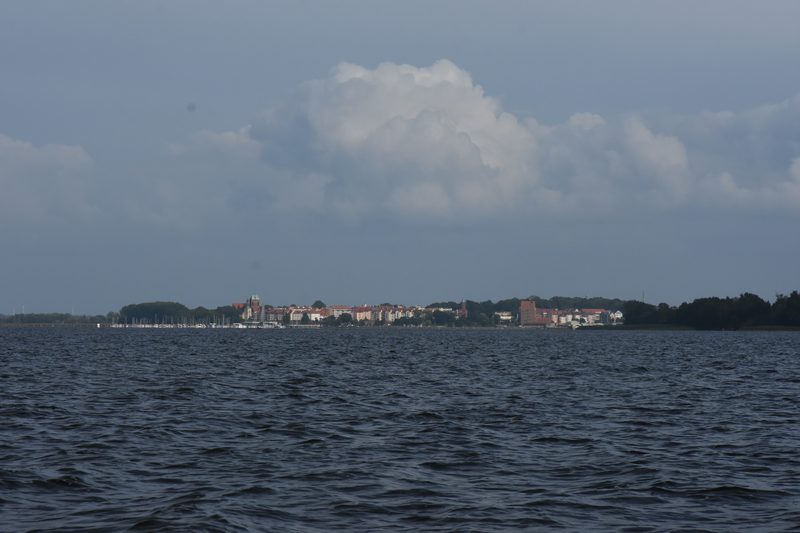
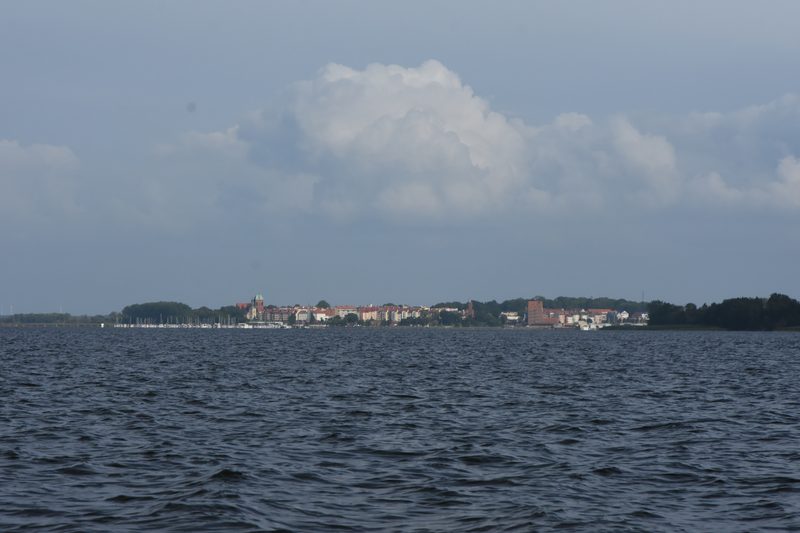
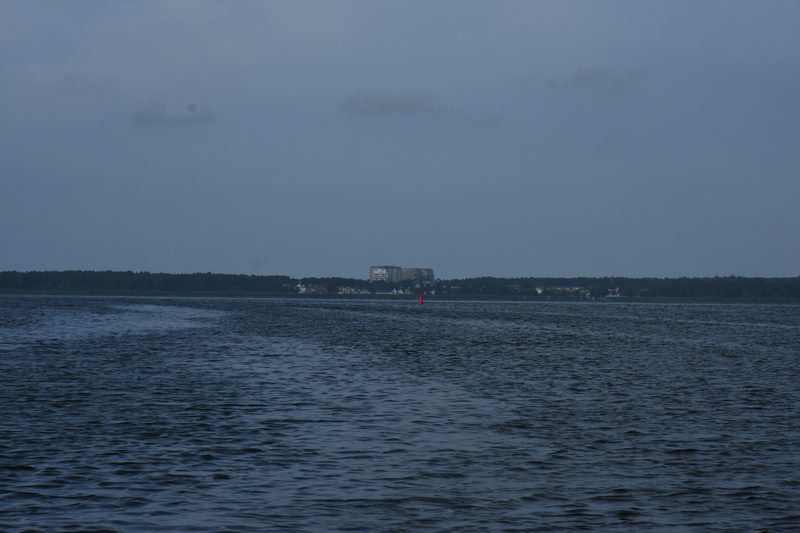
The rest of the day unfolded under genuinely kind weather. On Kamień Lagoon and the Dzwina there was some chop at times — the wind has room to build on those stretches. But the Szczecin Lagoon itself was more like a table than a body of water — completely flat. For a relatively small boat, sailing a stretch wide enough that you cannot see one shore is a genuinely impressive experience. The Szczecin Lagoon is not small: it spans the Polish-German border and opens to the sea through the Świna channel. On a calm day like this, it has the scale of a small inland sea.
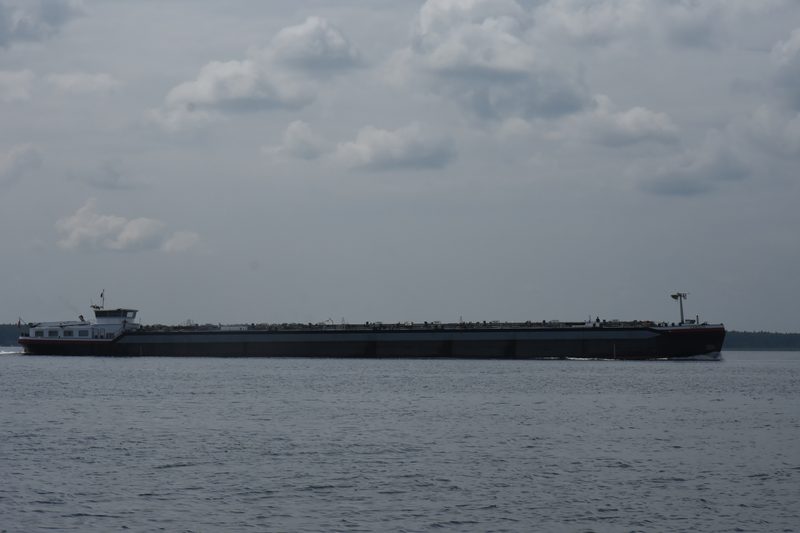
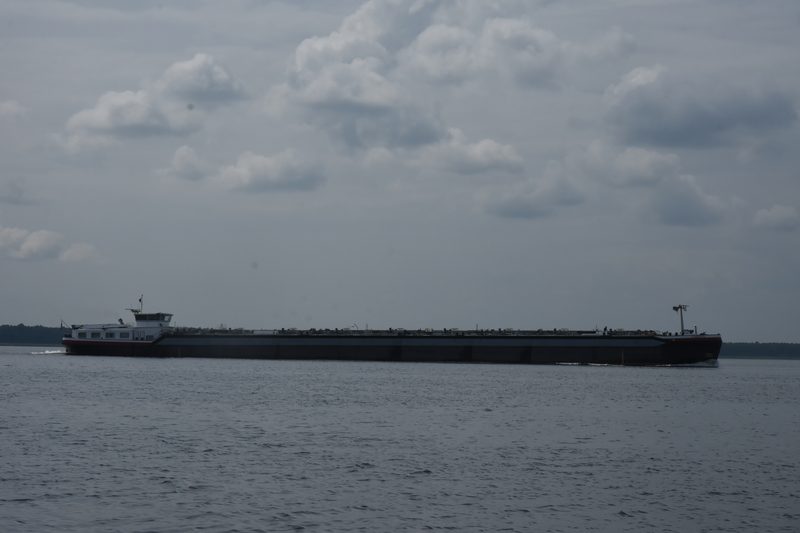
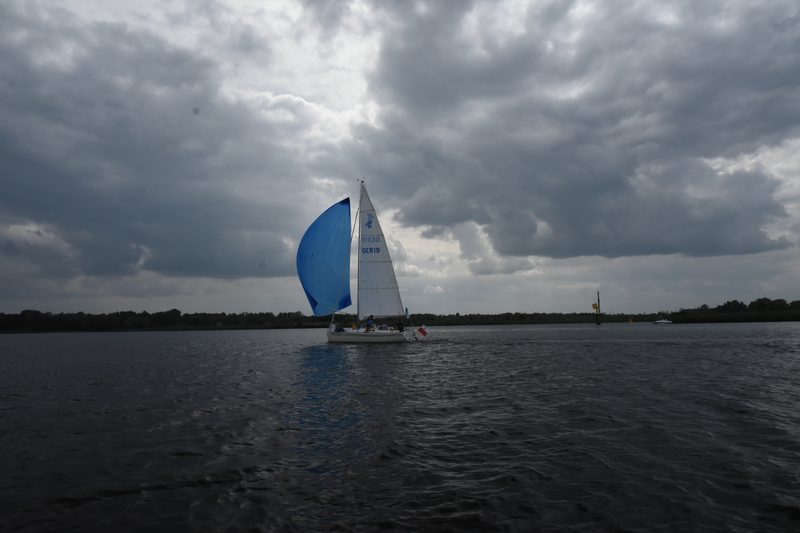
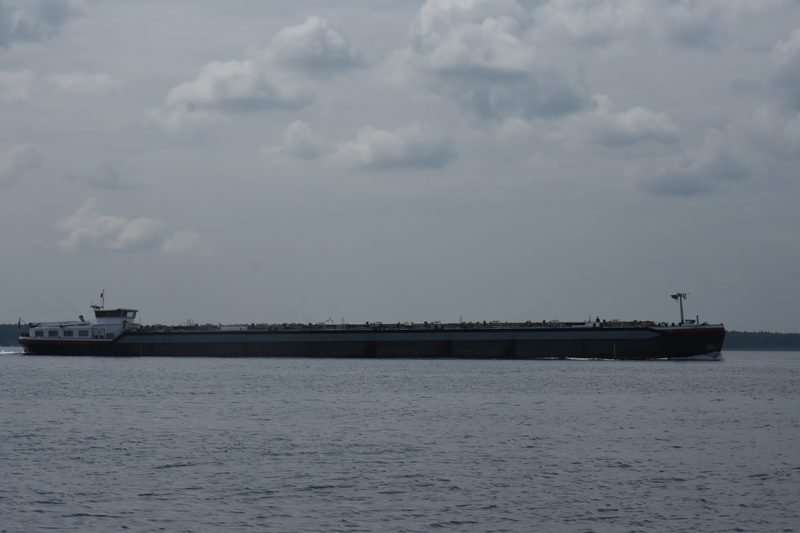
Along the waterway we encountered several large vessels — container ships and barges travelling the Szczecin–Świnoujście shipping channel. On the water there is a simple rule: large ships always have right of way. We kept to the edge of the channel and gave them a wide berth.
Lunch in Stepnica
Halfway through the day we stopped in Stepnica for lunch. The small town on the eastern shore of the lagoon has a quiet marina and Tawerna Panorama — a restaurant with a view of the water that serves fish straight from the lagoon. We ordered fish, naturally. After a whole morning on the water, it tasted exceptional. We rested, refuelled the boat, and set off again — the concrete wreck and the return journey still lay ahead.
The New Islands
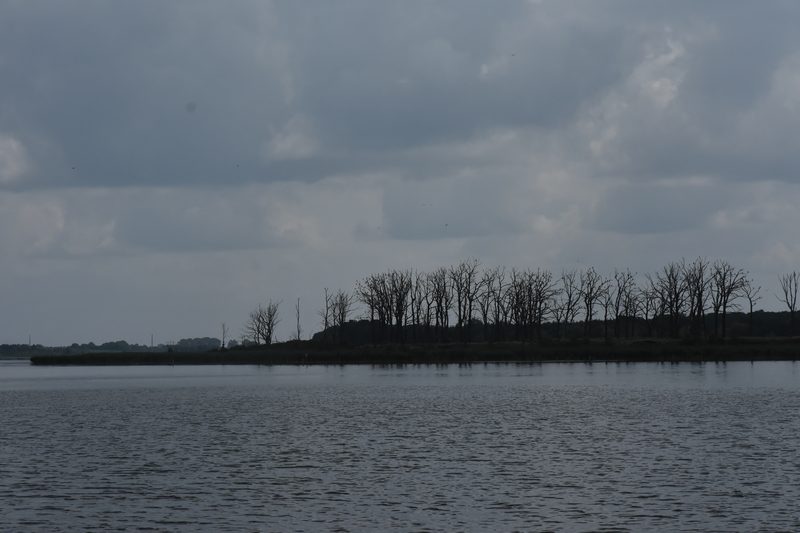
One of the more unexpected sights on the lagoon are the two brand-new artificial islands forming on the eastern side. They are made entirely of material dredged from the deepening of the Szczecin–Świnoujście shipping channel — sediment and sand piled up until they broke the surface. Right now they look raw and bare, but give them a few years and they will be dense bird colonies: terns, cormorants, gulls, herons.
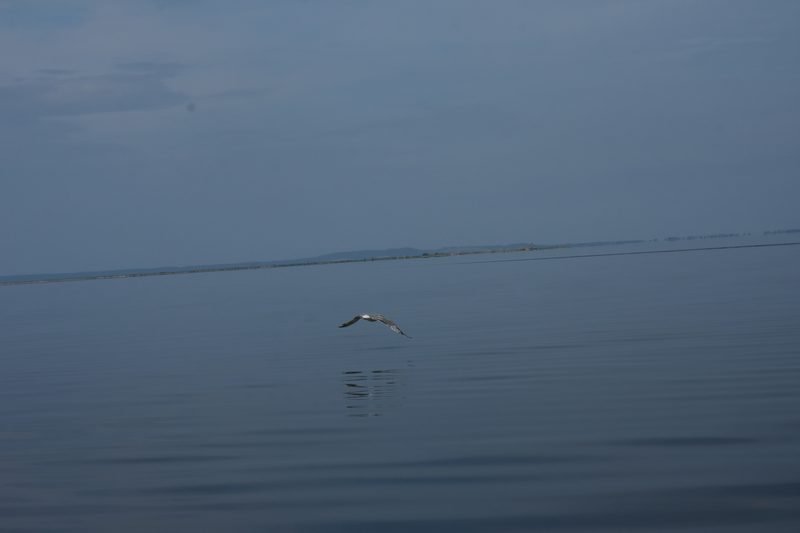
Even now the waterbirds are thriving here. The water around the islands teems with fish, and flocks of birds rest on the shallows — their loud calls carry far across the lagoon.
Fishing Nets
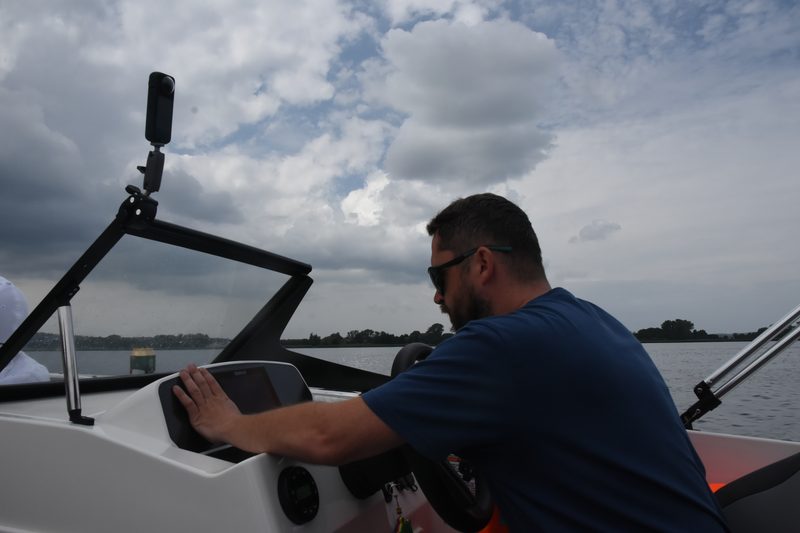
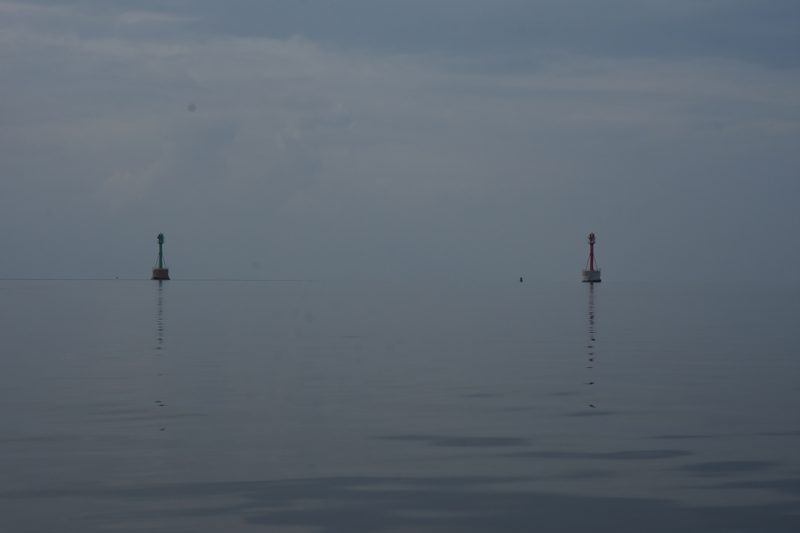
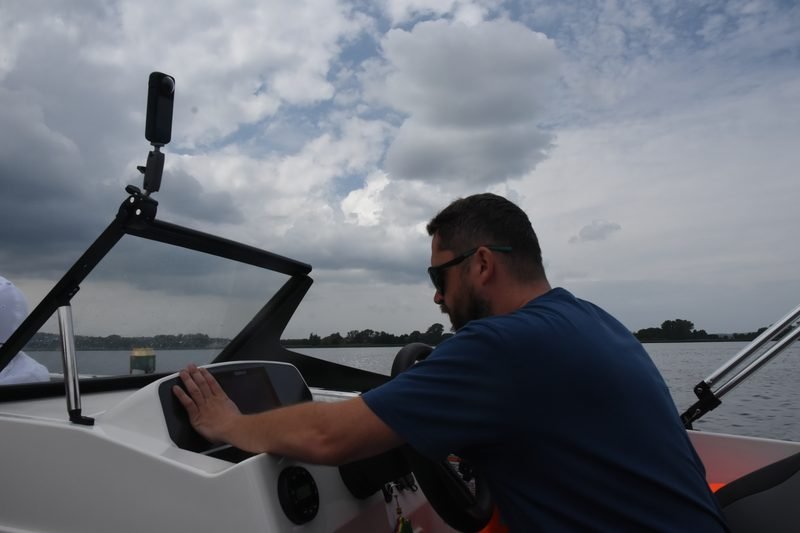
The one minor hazard on both lagoons is fishing nets — sometimes not particularly well marked, which is why it pays to stick to the marked channels. On our trip the conditions were kind, but in heavier swell they can be hard to spot. This was perhaps the first time the skipper really appreciated the Simrad chart plotter fitted to our M19. All the waterway routes are clearly marked on it, so you always know exactly where you are and which way the channel runs.
The Concrete Wreck
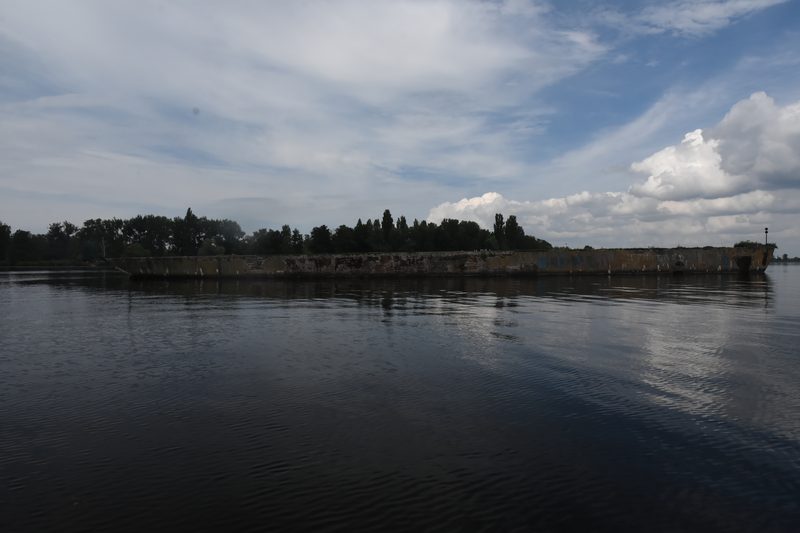
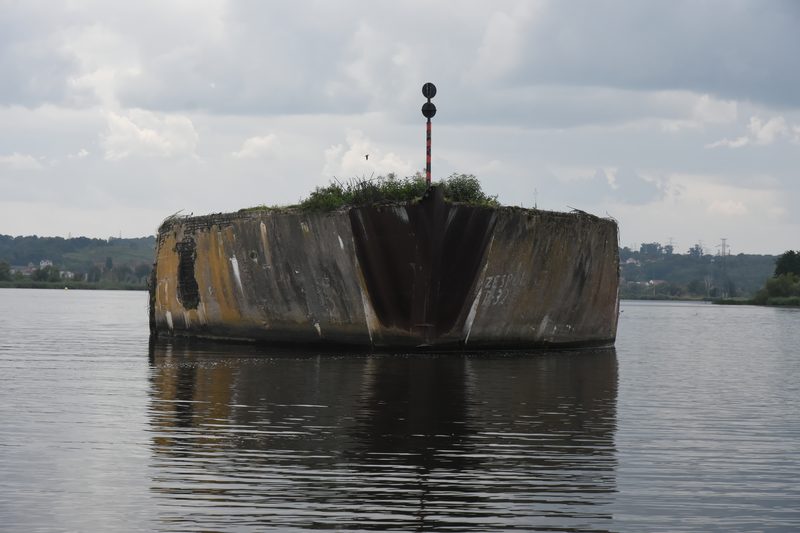
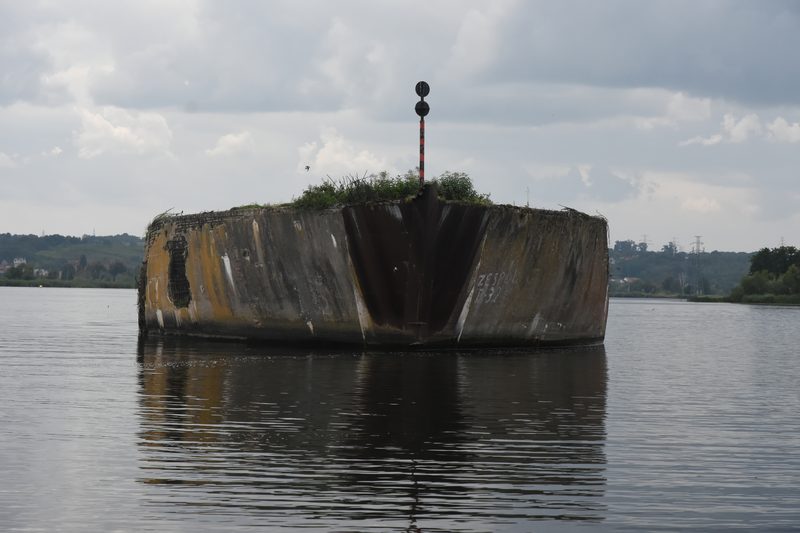
Our eastern endpoint was the betonowiec — the concrete ship Ulrich Finsterwalder, which has been slowly sinking into the shallows near Dąbie since the Second World War. It is a quiet, slightly surreal sight: an enormous grey shape half-submerged, weathered, overgrown, a sanctuary for many birds.
We pulled in quite close. Birds perched on the wreck screamed at us loudly — clearly we were not welcome on their territory. We circled it twice, took some photos and spent a moment with that slightly nostalgic view — a huge structure that long ago lost its purpose but found a new one. Then it was time to head back.
The Way Back
We returned the same way. The weather held — the sky stayed overcast, so there was no sunset to watch that day. But it was calm and warm. On Kamień Lagoon the water was slightly choppier by now, but at the right speed it was no problem at all.
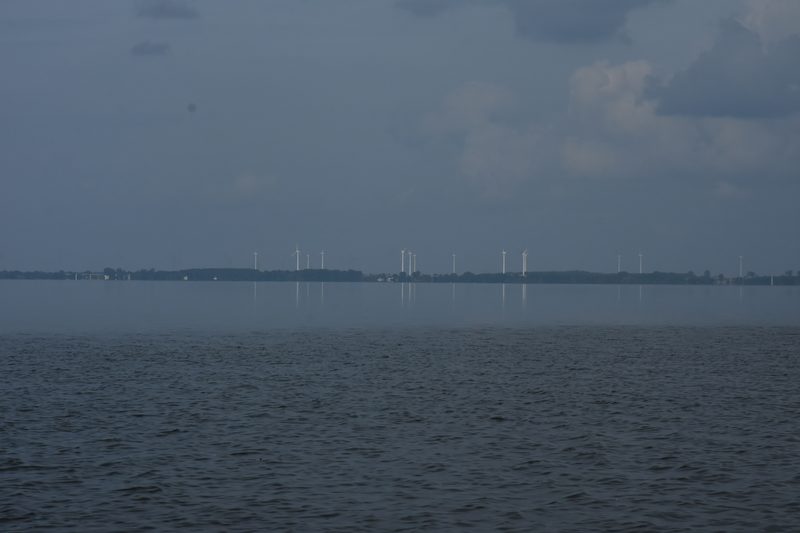
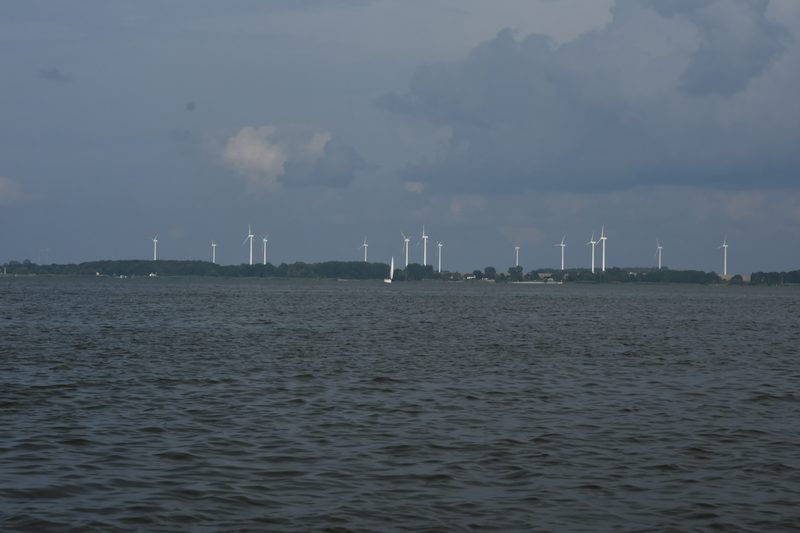
On the stretch from Wolin to Kamień Lagoon, modern wind turbines were visible in the distance — standing far inland but so tall that they were easy to spot from the water. From the boat they looked like giants on the horizon — an interesting contrast with the pastoral lagoon landscape.
We made it back to port just before sunset. A full day on the water.
A Day Worth Remembering
Despite the long route, the trip never dragged. There was plenty of time to plane on open water where the engine noise bothered no one. Varied scenery, fresh air, a lightly overcast sky, flat water, good food in Stepnica, and a route long enough to feel like a real journey. A whole day on the water clears the head in a way nothing else quite manages.
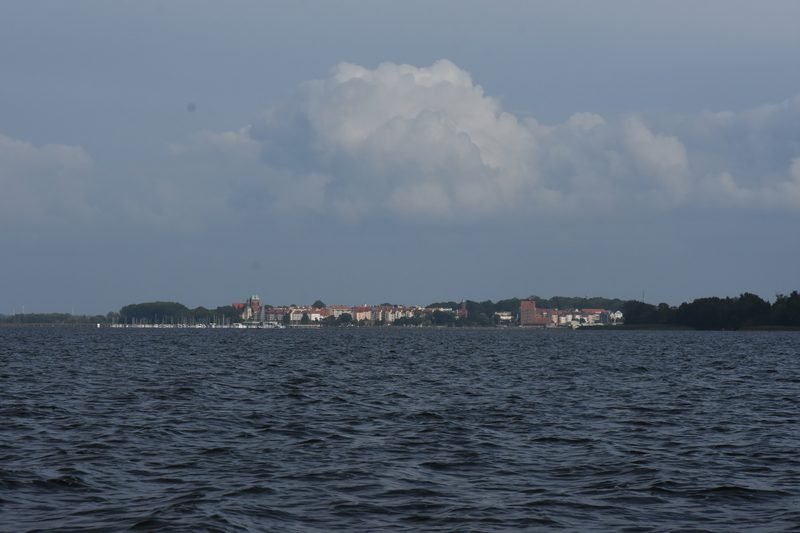
The Szczecin Lagoon is probably the only place in Poland where you can experience inland sailing on an expanse this large — with no shore visible from the middle — in a genuinely maritime setting: large ships, navigation infrastructure, marked shipping lanes. The impressions from a day like this stay with you for a very long time. We are glad you were with us.